
Introduction
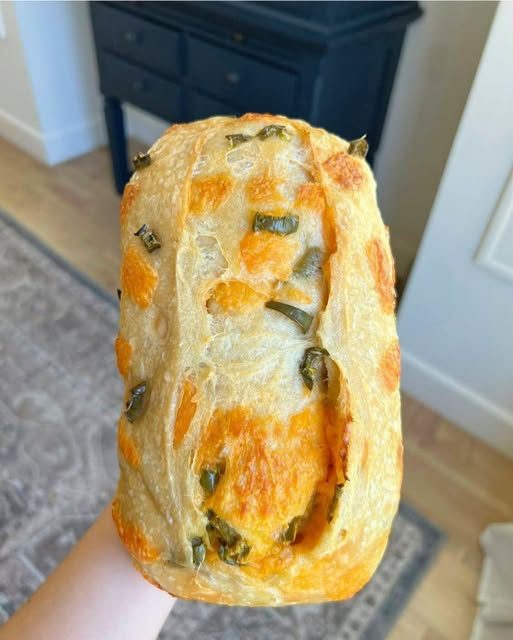
This recipe is all about making a mastered crunchy sourdough bread at home in a simple and friendly way. Sourdough bread may sound hard at first, but this article shows that anyone can do it with patience and care. The bread you will learn to make has a crispy crust and a soft chewy inside. It uses natural fermentation, which means it grows with time and love instead of fast yeast. This recipe focuses on clear steps, easy words, and real kitchen experience so beginners feel confident from start to finish. You do not need fancy tools or expert skills. You only need time, good ingredients, and a little trust in the process.
People love crunchy sourdough because it tastes deep and rich in a natural way. The crust makes a lovely crackling sound when you cut it, and the inside feels light yet filling. Many people say sourdough feels easier on the stomach than regular bread. It has a mild sour taste that feels fresh and comforting at the same time. This bread also feels special because it is slow made. In a busy world, baking sourdough feels calming and rewarding. Each loaf is a little different, and that makes it feel personal and handmade.
You may want to make this bread for many reasons. Some people bake it for health reasons because it uses simple ingredients and natural fermentation. Others bake it for the joy of learning something new and useful. It is also perfect for family meals, weekend baking, or sharing with friends. Making sourdough can be a relaxing hobby that brings happiness and pride. When you smell the bread baking and see the golden crust, it brings comfort and warmth. This bread is not just food. It is a feeling of home and care.
Ingredients You Will Need
Bread flour 500 grams
Active sourdough starter 100 grams
Water 350 milliliters
Salt 10 grams
Optional for dusting
Extra flour as needed
Step by Step Method
First, prepare your sourdough starter. Make sure it is active and bubbly. Feed it with flour and water and let it sit until it rises and smells fresh. This usually takes four to six hours depending on room temperature. A good starter is the heart of crunchy sourdough bread.
Next, take a large mixing bowl. Add the bread flour and water. Mix them gently with your hand or a spoon until no dry flour is left. The dough will look rough and sticky. Cover the bowl and let it rest for thirty minutes. This resting time helps the flour absorb water and makes the dough easier to work with later.
After resting, add the active sourdough starter to the dough. Mix it well using your hand. Pinch and fold the dough until the starter is fully mixed in. Then add the salt. Mix again until the salt disappears into the dough. The dough will feel smoother now.
Cover the bowl and let the dough rest for thirty minutes. After that, start the stretch and fold process. Wet your hand slightly. Gently lift one side of the dough and fold it over itself. Turn the bowl and repeat this four times. This helps build strength in the dough. Cover and rest for another thirty minutes. Repeat this process three more times over two hours.
Now let the dough rise. Cover the bowl and leave it at room temperature for four to six hours. The dough should grow in size and look airy. It should feel light and jiggly when you move the bowl. This is called bulk fermentation.
When the dough is ready, lightly flour your work surface. Gently place the dough on it. Shape it into a round loaf by folding the edges toward the center. Turn it over and gently pull it toward you to create surface tension. Be gentle and do not press out the air.
Place the shaped dough into a floured bowl or basket. Cover it with a cloth. Put it in the fridge for eight to twelve hours. This slow cold rest helps develop flavor and makes the crust extra crunchy.
When ready to bake, preheat your oven to two hundred and thirty degrees Celsius. Place a heavy pot with a lid inside the oven to heat up. Let it heat for at least thirty minutes.
Carefully remove the hot pot. Place the dough inside on baking paper. Score the top of the dough with a sharp knife. This helps the bread expand while baking. Cover with the lid and bake for twenty minutes.
After twenty minutes, remove the lid. Bake for another twenty five minutes until the crust is deep golden and crunchy. Remove the bread from the pot and let it cool completely on a rack. Do not cut it while hot. Cooling helps the inside set properly.
Why This Recipe Is Special
This crunchy sourdough recipe is special because it uses time instead of force. The slow rise allows natural flavors to grow. The bread has a rich taste without added sugar or oil. The crust becomes crisp while the inside stays soft and airy.
Sourdough is known for being easier to digest for many people. The natural fermentation helps break down parts of the flour. This may help the body absorb nutrients better. It also has a lower impact on blood sugar compared to many store bought breads.
The taste is another reason this recipe stands out. The slight sour flavor feels fresh and balanced. It pairs well with butter, soup, cheese, or sweet spreads. Each bite feels satisfying and real.
Extra Tips for Better Taste
Use good quality flour. Fresh bread flour gives better texture and flavor.
Keep your starter healthy and fed regularly. A happy starter makes better bread.
Do not rush the process. Time is your friend in sourdough baking.
Bake in a hot pot to trap steam. This helps create a crunchy crust.
Let the bread cool fully before slicing for best texture.
Try adding seeds or herbs once you master the basic recipe.
Final Thoughts
Making mastered crunchy sourdough at home is a beautiful journey. It teaches patience, care, and trust in simple ingredients. Even if your first loaf is not perfect, each bake is a lesson. The joy of cutting into your own homemade bread is worth every step. This recipe is meant to guide and encourage you. With practice, your bread will only get better. Enjoy the process and enjoy every bite.
Nutrition Details
Nutrition details are approximate and may vary based on ingredients used.
Per one slice serving
Calories: 160
Protein: 6 grams
Carbohydrates: 32 grams
Fiber: 2 grams
Fat: 1 gram
Sodium: 200 milligrams
Whole loaf values
Calories: 1600
Protein: 60 grams
Carbohydrates: 320 grams
Fiber: 20 grams
Fat: 10 grams
Disclaimer
This recipe is shared for general food and enjoyment purposes. Everyone’s body is different and reacts differently to foods. Health results and digestion may vary from person to person. Always listen to your body and consult a health professional if you have special dietary needs or concerns.
