
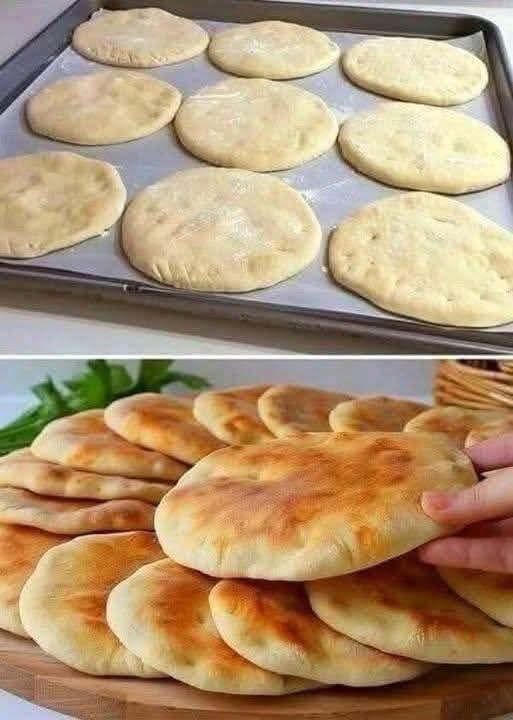
Pita bread is a magical type of flatbread that has been a favorite part of meals for thousands of years in many different parts of the world. This recipe is all about teaching you how to make your own soft and fluffy bread right in your own kitchen using just a few basic ingredients that you likely already have in your pantry. When you bake pita bread at a very high temperature the water inside the dough turns into steam and causes the bread to puff up like a balloon which creates a hollow pocket in the middle. This pocket is what makes pita bread so unique and useful because you can cut it in half and fill it with all sorts of delicious meats and vegetables and sauces. Making your own bread at home is a wonderful experience because you get to see how simple flour and water can transform into something so warm and comforting. Most people are used to buying the dry and stiff pita bread from the grocery store but once you taste a piece that is fresh out of the oven you will never want to go back to the store bought version again. This article will guide you through every single step of the process so that you can feel confident even if you have never worked with yeast or dough before in your life. By the end of this guide you will be able to produce beautiful golden brown rounds of bread that are soft enough to fold and strong enough to hold your favorite sandwich fillings.
People absolutely love this recipe because there is something deeply satisfying about eating bread that is still warm from the oven and smells like a professional bakery. Fresh pita bread has a texture that is light and airy while still having a bit of chewiness that makes it perfect for dipping into creamy hummus or spicy salsas. Many families enjoy making this together because it feels like a fun science experiment when you look through the oven door and watch the flat discs of dough suddenly pop up into round balls. It is a great way to save money on your grocery bill because the cost of the ingredients is very low compared to the price of premium breads at a specialty food market. Kids especially love the pocket inside the bread because it makes eating lunch feel like an adventure as they stuff their favorite ingredients into the little bread cave. There is also a huge sense of pride that comes from serving homemade bread to your friends during a dinner party or a casual backyard gathering. The taste of homemade pita is much sweeter and more natural than the factory made versions because it does not contain any of the strange preservatives or stabilizers that are used to keep bread on a shelf for weeks. Every bite feels like a celebration of simple and honest cooking that brings a lot of joy and warmth to any table where it is served.
You should consider making this pita bread whenever you want to upgrade your lunch routine or when you are planning a healthy meal that needs a bit of extra substance and comfort. From a fitness perspective pita bread is an excellent choice because you can use whole wheat flour to add more fiber and nutrients to your daily diet. It provides a steady source of energy that can help you get through a tough workout or a long day of chores without feeling heavy or sluggish in your body. On an emotional level baking bread is a very relaxing activity that allows you to slow down and focus on the physical sensation of kneading the dough and watching it rise. It is the perfect recipe to make on a quiet Sunday afternoon when you want your home to smell inviting and cozy for your family members. If you are feeling a bit stressed or overwhelmed the rhythmic motion of working with the dough can be a form of meditation that helps clear your mind. You might also choose to make this bread for a special picnic at the park because it is very easy to pack and does not fall apart easily when you are on the go. Whether you are eating it as a side dish for a big bowl of soup or using it as the base for a mini pizza this pita bread fits perfectly into every part of a happy and healthy lifestyle.
There is a real sense of accomplishment that comes from mastering the art of the perfect puff and seeing that hollow pocket form for the very first time. This recipe is written in very easy English so that anyone can follow along and achieve great results even if they are a total beginner in the kitchen. We will look at how to properly activate your yeast so that your dough grows big and strong and how to roll the dough out to the perfect thickness. You do not need any expensive machines or fancy tools to make this bread because a simple bowl and a rolling pin and a hot oven or skillet are all it takes. Cooking is a journey of discovery and making your own flatbread is one of the best ways to start your adventure into the world of homemade baking. As you read through the steps you will see that every part of the process is logical and easy to follow and very rewarding for your taste buds. Let us get our aprons on and look at the simple ingredients you will need to gather from your local grocery store before we begin the mixing process for our fluffy pita bread.
Ingredients You Will Need
-
3 cups of all purpose flour or bread flour
-
1 cup of warm water (it should feel like warm bath water)
-
2 teaspoons of active dry yeast
-
1 teaspoon of granulated white sugar
-
1 teaspoon of fine sea salt
-
2 tablespoons of extra virgin olive oil
-
a little bit of extra flour for dusting your work surface
Step by Step Method
The very first step is to wake up your yeast so that it can help your bread rise and become fluffy. Pour your one cup of warm water into a small bowl and add the sugar and the active dry yeast. Stir it gently with a spoon and then let it sit for about five to ten minutes until you see a layer of bubbles forming on the top of the water. If the water does not become foamy it might mean your yeast is old or your water was too hot so you may need to start this step over again with fresh ingredients.
Once your yeast is active and foamy you can take a large mixing bowl and add your three cups of flour and the sea salt. Make a small well in the center of the flour and pour in the yeast mixture along with the two tablespoons of olive oil. Use a large spoon or your clean hands to mix everything together until a shaggy dough starts to form and all the flour is incorporated. If the dough feels way too sticky you can add one more tablespoon of flour but try not to add too much because a soft dough makes for a softer bread.
Turn the dough out onto a clean counter that you have dusted with a little bit of extra flour. Now it is time to knead the dough which means you push it away from you with the palms of your hands and then fold it back over and turn it. Continue this rhythmic motion for about eight to ten minutes until the dough feels very smooth and stretchy and looks a bit shiny. You are developing the gluten in the flour which is what gives the bread its strength and allows it to trap the steam to create that famous pocket.
Lightly grease your large mixing bowl with a tiny bit of oil and place your smooth dough ball inside. Cover the bowl with a clean kitchen towel or a piece of plastic wrap and put it in a warm and quiet spot in your kitchen. Let the dough rise for about one to two hours or until it has grown to twice its original size. This slow rise is very important because it allows the flavors to develop and makes the final bread much easier to digest and much more delicious to eat.
After the dough has doubled in size you can gently press your fist into the center to let the air out and then turn it back out onto your counter. Cut the dough into eight equal pieces and roll each piece into a small and smooth ball. Cover these balls with your towel and let them rest for another twenty minutes so the dough can relax and become easier to roll out. If you try to roll them right away the dough will just snap back like a rubber band and you will have a hard time getting a flat shape.
Use a rolling pin to flatten each ball into a circle that is about six or seven inches wide and about a quarter of an inch thick. While you are rolling the dough you should preheat your oven to 450 degrees Fahrenheit and place a baking sheet inside so it gets very hot. If you prefer to use a stove you can heat a heavy cast iron skillet over medium high heat. Carefully place two or three dough circles onto the hot baking sheet or into the skillet and watch closely as they begin to puff up and turn a light golden color.
If you are using the oven the bread will usually take about three to five minutes to puff and cook completely. If you are using a skillet you should cook each side for about two minutes until you see brown spots and the bread has inflated like a balloon. Once the pita bread is finished you should remove it and immediately wrap it in a clean towel. Keeping the bread wrapped while it is hot is the secret to making it soft and pliable so that it does not crack when you try to open the pocket later on.
Why This Recipe Is Special
This pita bread recipe is special because it takes a very ancient tradition and makes it accessible for anyone living in a modern home today. It proves that you do not need a giant stone oven to create a high quality flatbread that tastes like it came from a Mediterranean market. The use of olive oil in the dough adds a wonderful depth of flavor and a silky texture that you simply do not find in the cheaper breads sold at big box stores. It is a recipe that honors the simple beauty of grains and water while providing a versatile tool for any meal of the day.
From a health point of view this recipe is special because you have total control over the ingredients and you can avoid the high levels of salt and hidden sugars found in commercial breads. You are eating a product that is fresh and alive which is much better for your energy levels and your general well being. It is also a very low fat bread compared to buttery rolls or heavy pastries which makes it a smart choice for anyone who wants to maintain a healthy weight. Making your own bread is a small act of self care that rewards you with better nutrition and a much more satisfying eating experience.
Extra Tips for Better Taste
If you want to make your pita bread taste even more amazing you can try adding some dried herbs like rosemary or oregano directly into the flour before you mix in the water. This infuses the bread with a wonderful herbal scent that goes perfectly with grilled chicken or roasted vegetables. Another great tip is to brush the finished warm bread with a little bit of garlic butter or a sprinkle of sea salt right after you take it out of the oven. These small touches make the bread feel much more like a gourmet appetizer and will have your family asking for seconds.
For those who want a perfectly round pocket every time you should make sure your oven or skillet is truly hot before you put the dough inside. The sudden blast of heat is what creates the steam that pushes the dough apart to form the hollow middle. If the heat is too low the bread will still taste good but it might stay flat and thick like a traditional naan bread. You can also try using a mix of half whole wheat flour and half white flour to get a nuttier flavor and a boost of fiber while still keeping the bread light and fluffy.
Final Thoughts
Baking your own pita bread at home is a rewarding journey that connects you to the history of cooking and the joy of simple foods. It is a reminder that the best things in life are often made with our own hands and shared with the people we care about most. I hope that this recipe brings a sense of warmth and accomplishment to your kitchen and that you enjoy every soft and fluffy bite of your homemade bread. Whether you are stuffing it with salad or dipping it into a warm stew this pita bread is a delicious companion that makes every meal feel special. Enjoy the magic of the puff and the wonderful smell of fresh bread filling up your home today.
Nutrition Details
| Nutrient | Amount Per Serving |
| Calories | 165 kcal |
| Total Fat | 4 grams |
| Saturated Fat | 0.5 grams |
| Cholesterol | 0 milligrams |
| Sodium | 290 milligrams |
| Total Carbohydrates | 28 grams |
| Dietary Fiber | 1 gram |
| Sugars | 1 gram |
| Protein | 4 grams |
This nutrition table provides an estimate for one piece of pita bread when the dough is divided into eight equal portions. Keep in mind that your values might change if you choose to use different types of flour or if you add extra oil or toppings like butter to the finished bread.
Disclaimer
Please keep in mind that every human body is a little bit different and the way you react to certain foods might not be the same as someone else. While homemade bread is generally very healthy some people may have sensitivities to gluten or yeast that could cause them to feel uncomfortable. It is always a very smart idea to listen to your own body and talk to a doctor or a health professional if you have any specific concerns about your diet. This article is meant to be a fun and helpful guide for home cooks and should not be taken as official medical or nutritional advice for your life.
