
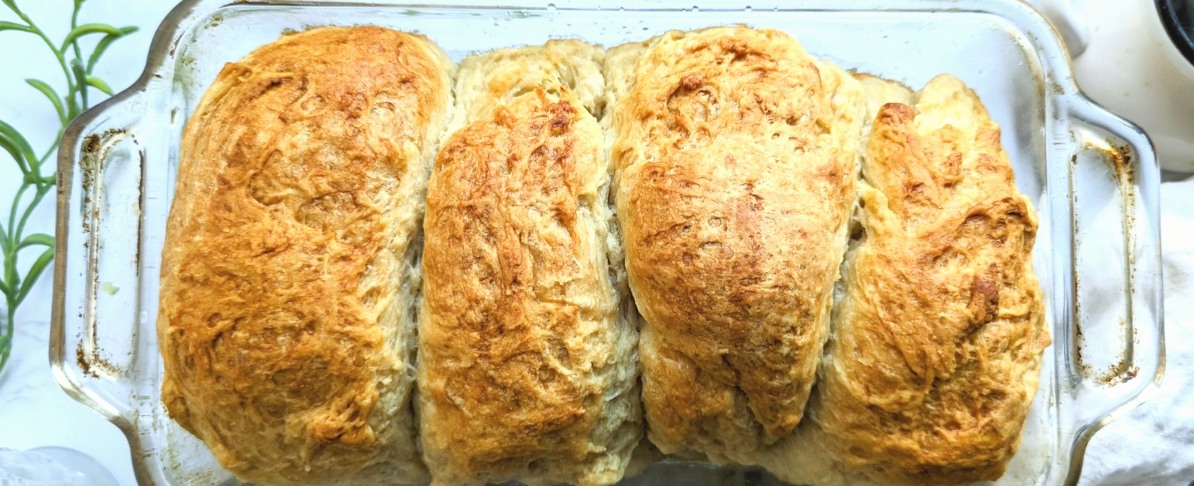
This complete guide on how to prepare the most wonderful and comforting sourdough homemade bread at home is a fantastic journey into the world of traditional baking that turns simple kitchen staples into a beautiful golden brown masterpiece for your dining table today. You are going to learn how to take high quality organic grain flour and clean filtered water and a wild bubbly yeast culture starter to create a soft artisan loaf that is both incredibly satisfying and deeply rewarding without using any complicated industrial tools or professional factory secrets at all. Most people think that a perfect bakery style crusty loaf must involve massive commercial processing gear or using dozens of strange chemical dough conditioners and artificial preservatives to get the texture and moisture just right but this guide will show you that the natural combination of long fermentation time and wet heat creates a delight that is even more vibrant and nourishing when made in your own kitchen. This article is written in very easy English words so that any beginner can follow along and feel totally confident while they are working in their kitchen to create a bright and joyful morning or evening baking treat for themselves or their family members who love a classic sour profile. You will see how the quick process of hand folding transforms the simple raw ingredients into a perfectly smooth elastic dough structure while the final baking process inside a hot iron pot provides a burst of creative energy in every single warm bite you take this morning. Making your own specialty baking items at home is a very rewarding experience because it allows you to choose the best quality fresh organic products and avoid all the hidden high fructose levels and low quality bleached elements found in many store bought prepackaged frozen loaves or commercial fast food bakery shops. By the end of this guide you will have a deep understanding of how to mix and fold and bake your ingredients to create a breakfast showstopper that provides pure joy and a steady sense of physical satisfaction throughout the entire day. Once you taste the incredible depth of flavor that comes from real whole food ingredients like active wild yeast and rich pure white grain flours and real pure sea salt crystals you will likely find it hard to go back to processed standard white breads that leave you feeling empty or cause a strange heavy feeling in your stomach. Your body will feel so much more refreshed because you are using real ancient steps that support your daily vitality and your long term culinary goals for many years to come.
People absolutely love this recipe because it provides a massive sense of internal warmth and a very complex chewy mouthfeel that hits all the right notes of rich sourness and savory grain goodness without being difficult to follow or causing a sudden heavy energy crash for your system later on. There is something truly magical about the way the crisp golden outer crust flakes away to reveal a tender white interior crumb and the rich punch of the sweet baking juices to create a sensory experience that fills your senses and makes you feel completely at peace with your meal choices. Many families enjoy making this together because it is a very simple and fun kitchen project that allows everyone to participate in dropping the fine flour scoops into the large glass bowl container or stirring the smooth liquid starter before the final hand mixing begins on a quiet holiday morning. It is a favorite for home cooks because it uses very basic items that you likely already have in your refrigerator or pantry cupboard and it does not require a lot of expensive factory equipment which makes it the perfect choice for a slow weekend when you want to connect with the power of a good homemade treat. You can also feel great about serving this to your friends who appreciate a more natural and traditional way of baking because the simple and vibrant colors of the golden crust look incredibly appetizing and beautiful when served inside a tall clean basket for your guests. The visual appeal of the clean white crumb lines and the rich scent of the baking dough makes this loaf look like a gourmet boutique item which adds a sense of elegance to any casual family gathering or holiday party you host at home. It is a recipe that makes you feel successful in the kitchen because it is very reliable as long as you follow the simple rules of thorough resting and proper temperature control that we will discuss in this article today. Every mouthful is a celebration of simple nature and high quality ingredients which is exactly why this specific combination has become a top choice for people who value both incredible taste and baking happiness.
You should consider making this sourdough homemade bread whenever you want to treat yourself to a nourishing addition to your menu that helps you feel cozy and focused without the distractions of a loud cafe line or the weight of a greasy commercial pastry takeout order. It is a fantastic choice for emotional reasons because the warming sensation and the rich scent of the baking grain fats provide a deep sense of security and joy that can really lift your spirits after a very long and stressful week of work or study. From a fitness perspective this recipe can be a wonderful reward choice for those who need a satisfying clean energy source after heavy physical training because it provides a good amount of healthy nutrients from the pure wheat base and clean energy which are helpful for your stamina and your general body strength throughout the busy work week. It is naturally designed to be satisfying which means you can enjoy a modest portion alongside some fresh hot soup and feel full for a very long time while you focus on your daily tasks or your heavy morning chores. If you are someone who is trying to reach specific personal wellness goals while enjoying real food this homemade version is the perfect solution because you can control the quality of the fermentation and avoid the extra corn syrup or artificial dyes found in many commercial factory treats. It is also the ideal treat to prepare when you are feeling a bit tired of plain white rice or regular biscuits and you want to ensure that you have a source of high quality comfort that will keep your spirit happy and satisfied until the lunch hours arrive. You might also choose to make a large batch of the sweet dough during your weekend meal prep because the baked slices hold their structure well and actually taste even better when the sweet yeast notes have had time to mingle together inside the refrigerator for the week. No matter what your reason is this preparation project brings a sense of elegance and health to your life that makes eating a simple slice of bread feel like a true luxury for your taste buds and your heart.
There is a real sense of pride that comes from being able to prepare a gourmet artisan loaf using only a few basic items from your local market and a standard heavy baking pan in your own home kitchen today. This article is written so that anyone can follow the instructions and achieve perfect results even if they have never cooked a sour yeast recipe or worked with rich flour layers in this way before in their entire life. You will learn the best way to prepare your liquid base so it stays light on the inside and how to bake your dough circle so the snack stays fragrant and neat for your palate without becoming too dry or rubbery after the oven is heated. We will also discuss the importance of using fresh ingredients and how a little bit of patience during the resting or cooling process can make the richness of the grain and the brightness of the crust colors bond together in a wonderful way for your taste buds. Preparing and eating food is a wonderful journey of discovery and this classic sweet recipe is the perfect place to start your adventure into the world of fresh meals that taste like a traditional indulgence. As you read through the steps below you will see that every part of the process is logical and easy to follow and very rewarding for your stomach and your general mood over time. Let us get our mixing spoons and heavy pots ready and look at the simple ingredients you will need to gather from your kitchen before we begin the quick process of making our cool and savory treat. You are going to love how easy it is to create a recipe that is so high in quality and flavor while being so gentle on your kitchen tools and your busy daily schedule for the week. There is no better feeling than pulling a warm sweet tray of beautiful bread out of your oven space and knowing that you are about to enjoy one of the best healthy creations you have ever made for yourself.
Ingredients You Will Need
-
500 grams of unbleached organic white bread flour high in protein structure
-
350 grams of clean filtered water warmed slightly to room temperature
-
100 grams of active bubbly wild sourdough culture starter fed within twelve hours
-
10 grams of fine sea salt containing no added chemical anti caking agents
-
1 tablespoon of extra white rice flour to dust the interior of your rising basket
-
1 teaspoon of pure virgin olive oil to lightly grease your large glass bowl
Step by Step Method
The very first step is to prepare your primary mixing environment by selecting a large clean glass bowl container on your workspace surface. Pour your one hundred grams of active bubbly wild sourdough culture starter and your three hundred fifty grams of slightly warmed filtered water directly into the bottom of the bowl. Use a long heavy wooden kitchen spoon to stir the liquids together for sixty seconds until the starter dissolves into a milky white fluid.
Next you will incorporate your structural flour elements by dumping all five hundred grams of your unbleached organic white bread flour into the milky starter water. Use your hands or your wooden spoon to mix the flour and liquid together using slow circular motions until all the dry spots vanish completely. You should be left with a very rough shaggy looking dough mass that clings to the sides of the glass container.
The third step is a resting process known as the autolyse phase which helps the grain starches absorb the moisture deeply. Place a clean damp kitchen towel completely over the top of the glass bowl and let the rough dough sit undisturbed on your counter for exactly thirty minutes. During this quick waiting period the flour proteins will begin to bond naturally to create the initial structural layers of your loaf.
Now you will introduce the final flavor and structure element by sprinkling your ten grams of fine sea salt evenly across the top surface of the rested dough. Dip your hand into a cup of clean water to prevent sticking then press your fingers into the dough repeatedly to incorporate the salt crystals. Gather the edge of the dough mass and fold it over into the center until the salt is completely locked inside the wet mixture.
The fifth step is to begin the stretch and fold routine which replaces traditional heavy countertop kneading completely. While the dough remains inside the bowl grab one side of the mass pull it upward gently toward the ceiling to stretch the fibers then fold it back down over the center. Rotate the bowl ninety degrees and repeat this action on the next side continuing until you have folded all four quadrants.
Next you will repeat this easy stretch and fold process every thirty minutes for a total duration of two full hours. Make sure to cover the glass bowl with your damp towel between each session to keep the dough from drying out on the surface. By the end of the fourth folding round you will notice that the dough has transformed from a rough shaggy mess into a gorgeous smooth elastic sphere.
The seventh step is the long fermentation phase where the wild yeast develops its classic tangy flavor profile. Leave the covered dough ball alone on your counter for four to six hours depending on the warmth of your kitchen until it expands to nearly double its original volume. You will know it is ready when you see beautiful tiny air bubbles trapped beneath the smooth outer skin of the dough mass.
Now you will shape your loaf by dumping the fermented dough gently onto a clean counter surface dusted with a tiny pinch of regular bread flour. Fold the left side into the middle then fold the right side over the top to create a neat envelope shape. Roll the dough downward toward your body using firm pressure from your palms to form a tight smooth round ball with plenty of surface tension.
The ninth step is to prepare your rising basket by dusting the interior cloth surfaces thoroughly with your one tablespoon of extra white rice flour. Use rice flour for this step because it contains no gluten which ensures your sticky dough sphere slides out effortlessly later on. Place your shaped dough ball upside down into the basket making sure the smooth top skin rests against the bottom.
Next you will slide the entire loaded rising basket inside a large plastic bag to lock in the ambient moisture. Place the bag straight into your household refrigerator for twelve to sixteen hours of cold proofing time. This extended cold rest slows down the yeast activity while allowing the natural bacteria to produce the deep lactic acids that give the bread its incredible signature artisan bakery scent.
The eleventh step is to prepare your baking setup by placing a heavy cast iron dutch oven pot with its lid on onto the middle rack of your kitchen stove oven. Turn your oven temperature dial to a very hot setting of four hundred fifty degrees Fahrenheit and let the heavy iron preheat for one full hour. This intense heat storage is critical because it mimics the thermal power of a traditional brick bakery oven.
The twelfth step is to transfer your proofed loaf onto a large square sheet of clean brown parchment baking paper. Pull your cold dough basket out of the fridge remove the plastic bag and flip the basket upside down over the paper so the dough slides out smoothly. Dust away any excess white rice flour clumps from the top surface using the flat palm of your clean hand.
Now you will score your bread to control the expanding steam pathways by using a very sharp razor blade or a clean kitchen knife. Hold the blade at a slight angle and slice a long curving line across the top center of the dough sphere about half an inch deep. This quick slash allows the dough to blossom beautifully into a gorgeous shape inside the oven rather than tearing apart randomly at the base.
The fourteenth step is to bake the loaf with trapped steam by lifting the corners of the parchment paper and dropping the dough into the preheated hot iron pot. Put the heavy lid back on immediately using thick oven mitts to protect your hands then slide the pot back onto the oven center rack. Bake covered for exactly twenty minutes to allow the moisture from the dough to create a tall airy crumb structure.
The final step is to finish your gorgeous baking creation by carefully removing the heavy metal lid using your thick oven mitts. Leave the iron pot uncovered inside the hot oven for another twenty to twenty five minutes until the pale crust transforms into a deep rich mahogany brown color with dark blistered edges. Lift the bread out onto a wire rack and let it cool for two hours before slicing.
Why This Recipe Is Special
This sourdough homemade bread recipe is special because it manages to deliver a high level of luxury and visual beauty while using only a few basic products that support your healthy lifestyle goals. By focusing on the natural power of simple wild yeast starters and wholesome organic flours we are able to satisfy a desire for a comforting warm artisan loaf without needing any industrial fillers or artificial dough conditioners that might cause a heavy bloated feeling. It is special because it respects the integrity of ancient baking traditions while providing a level of physical satiety that prevents you from feeling hungry or looking for low quality sugary commercial snacks later in the day. This preparation project is a great example of how a few simple steps like slow hands folding and long cold fermenting can lead to a professional gourmet boutique quality result that will make you feel like a master of your own healthy kitchen.
From a health point of view this recipe stands out because it allows you to get a great amount of clean energy and essential nutrients from real whole food ingredients while enjoying a festive colorful plate that nourishes your body completely. The natural fermentation process breaks down the difficult grain proteins and starches over multiple hours making the bread much more gentle on human digestion compared to fast commercial factory loaves. By making this bread at home you are choosing a table option that is free from the extra long term chemical preservatives and high fructose corn syrups found in many commercial grocery store packages which makes it a very clean and energizing choice for your system. It is a recipe that truly makes you feel successful in the kitchen while providing a sense of luxury that comes from using honest items prepared by your own two hands for your long term physical happiness.
Extra Tips for Better Taste
If you want to make your homemade sourdough bread taste even more amazing you can try adding a tablespoon of minced fresh rosemary or a handful of roasted garlic cloves directly into your dough mixture during your first stretch and fold step. The aromatic oils of the fresh green herbs work perfectly with the deep sour undertones of the wild yeast to create a beautiful complex flavor profile that makes the whole experience feel much more like a premium specialty item from an elite artisan bakery shop. Another great tip is to make sure your wild starter culture is truly active and floating on top of a cup of water before you mix it because a weak sleeping starter will not have enough lift to create a tall fluffy interior.
For those who enjoy a bit of extra rich texture over their morning breakfast toast you can try scattering a few tablespoons of toasted sesame seeds or dark poppy seeds over the wet top surface of your dough sphere right before you slash it with your razor blade. This creates a gorgeous subtle crunch on the outer crust layer that turns aromatic and nutty as the intense heat of the cast iron pot toasts the small seed skins. If you find that your bread crust feels a bit too thick or hard to chew for your personal palate simply tent a clean dry kitchen towel over the hot loaf as it rests on your wire rack because the escaping steam will soften the exterior shell beautifully. Always remember that waiting until the loaf is completely cool before slicing is the absolute best way to ensure the interior crumb sets perfectly without turning gummy.
Final Thoughts
Preparing your own sourdough homemade bread at home is a wonderful way to bring a little bit of joy and luxury into your daily menu routine while staying fully committed to your fresh whole food goals for the future. It is a reminder that being creative in the kitchen can lead to delicious results that make your eating schedule feel much more interesting and rewarding for your taste buds and your heart. I hope that this simple oven recipe becomes a regular favorite in your household and that you enjoy the simple process of turning basic flour and water into a healthy baking masterpiece for yourself and your loved ones today. There is no better feeling than pulling a warm steaming tray of fresh golden bread out of your kitchen space and knowing that you are about to enjoy one of the best natural treats you have ever made for yourself. Enjoy the rich flavors and the wonderful soft texture of your homemade meal and feel proud of the healthy and beautiful masterpiece you have finished in your own kitchen space today.
Nutrition Details
| Nutrient | Amount Per Serving |
| Calories | 185 kcal |
| Total Fat | 1 gram |
| Saturated Fat | 0 grams |
| Cholesterol | 0 milligrams |
| Sodium | 380 milligrams |
| Total Carbohydrates | 36 grams |
| Dietary Fiber | 2 grams |
| Sugars | 0 grams |
| Protein | 6 grams |
| Vitamin or Mineral | Source | Benefit |
| Iron | Organic Bread Flour | Proper Red Blood Energy Maintenance Support |
| Vitamin B1 | Wild Yeast Fermentation | Normal Metabolic Energy Production Support |
| Vitamin B3 | Unbleached Wheat Base | Healthy Skin and Nervous System Support Care |
| Magnesium | Natural Sea Salt Minerals | Normal Muscle and Nerve Function Regulation |
This nutrition table provides an estimate for one thick single slice serving portion consisting of about seventy grams of baked artisan bread assuming the entire cooked round loaf is divided equally into twelve separate individual slice portions using the exact ingredient quantities listed in the sections above. Keep in mind that your total calorie and carbohydrate values will shift slightly depending on whether you choose to use dark whole wheat flour instead of the premium unbleached white bread flour or if you decide to slather a heavy layer of grass fed dairy butter or sweet berry jam over the warm crumb inside your kitchen workspace.
Disclaimer
Please keep in mind that every human body is a little bit different and the way you react to certain grain concentrations or traditional wheat gluten might not be the same as someone else in your family or your friend group. While these whole food ingredients are generally very healthy and safe for many people who follow an artisan lifestyle some may have specific wheat sensitivities or may need to monitor their total carbohydrate and sodium intake if they have unique metabolic concerns or specific dietary guidelines from a specialist due to the long fermentation. It is always a very smart idea to listen to your own body and talk to a doctor or a licensed health professional if you have any specific concerns about your diet or your long term fitness goals. This article is meant to be a fun and helpful guide for home cooks and should not be taken as official medical or nutritional advice for your daily life or specific medical conditions.
